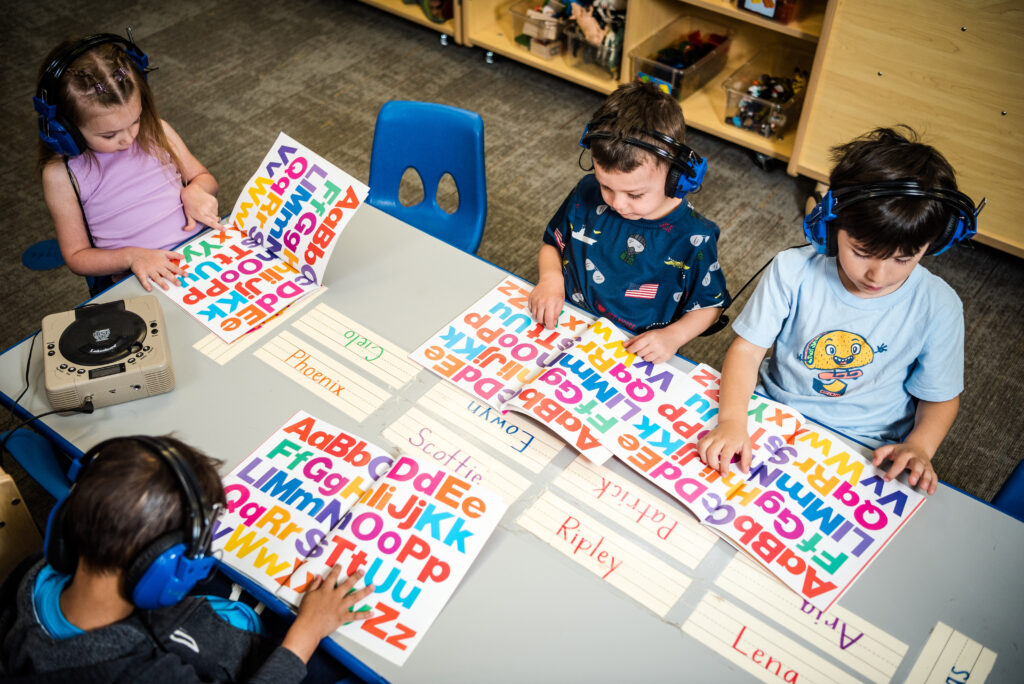
Introduction: The Importance of Early Childhood Education
Early childhood education plays a pivotal role in shaping a child’s future. It lays the foundation for the development of cognitive, social, emotional, and physical skills. However, not all children learn in the same way, which is why it’s crucial to have different curriculums in preschool. This blog post aims to shed light on the importance of diverse curriculums in preschool education, and how they can cater to the unique learning styles of each child, fostering their growth and preparing them for the challenges of formal schooling.
The Role of Curriculum in Preschool Education
The curriculum in preschool education plays a pivotal role in the early development of children. It is a structured guide that helps educators instill necessary skills in children, such as social interaction, cognitive development, emotional growth, and physical coordination. Different curriculums cater to different learning styles and developmental stages, ensuring that every child gets the best start in their educational journey. Therefore, having a diverse range of curriculums in preschools is essential to cater to the unique needs of each child and to foster an environment that encourages them to learn and grow at their own pace.
Understanding the Concept of Different Curriculums
Understanding the concept of different curriculums in preschool is crucial for both educators and parents. This is because each child is unique and learns in a different way. Different curriculums offer various methods and approaches to teaching, catering to the diverse learning styles and developmental paces of children. For instance, some curriculums focus on hands-on learning, while others emphasize on cognitive development or creative expression. By offering a variety of curriculums, preschools can ensure that all children have the opportunity to learn and grow in a way that suits them best. Thus, embracing the need for different curriculums is key to fostering an inclusive and effective learning environment in preschools.
The Various Types of Curriculums in Preschool
In preschool, various types of curriculums are used to cater to the diverse learning styles and needs of young children. Some of the common types include the Montessori method, which emphasizes self-directed activity and hands-on learning. The HighScope approach, on the other hand, promotes active participatory learning, where children are encouraged to plan their activities. The Reggio Emilia approach is another curriculum that values the child as capable, strong, and rich with wonder and knowledge. Each of these curriculums aims to create a nurturing and stimulating environment that fosters a love for learning and promotes the overall development of children.
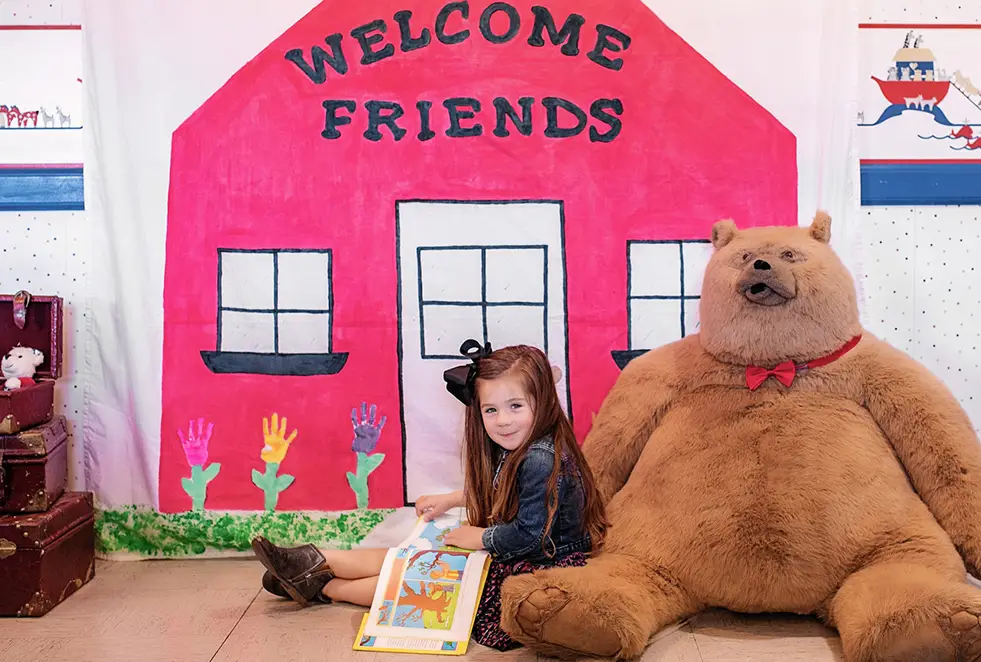
The Importance of Tailoring Curriculums to Individual Needs
Understanding the unique needs of each child is crucial when designing curriculums in preschool. Tailoring curriculums to individual needs not only fosters a love for learning, but it also boosts self-esteem and encourages creative thinking. When children study in an environment that respects and acknowledges their individuality, they feel more confident and motivated to explore and learn. Moreover, a customized curriculum can effectively address each child’s strengths and weaknesses, resulting in a more balanced and comprehensive learning experience. Hence, acknowledging the importance of personalized curriculums is a crucial step towards nurturing well-rounded and active learners.
The Role of Culture and Diversity in Preschool Curriculums
Culture and diversity play a crucial role in shaping preschool curriculums. They help foster an inclusive environment where children can learn about different cultures, traditions, and values, promoting mutual respect and understanding. Incorporating cultural diversity into preschool curriculums also encourages children to appreciate the uniqueness of their peers, thereby reducing stereotypes and prejudices. Furthermore, it aids in developing their social skills and emotional intelligence. Hence, diverse curriculums not only enrich children’s learning experience but also prepare them for a multicultural world.
How Different Curriculums Cater to Different Learning Styles
Different curriculums in preschool are designed to cater to the diverse learning styles of children. Some kids learn best through visual aids, others through auditory means, and some through kinesthetic, or hands-on approaches. A curriculum focused on visual learning, for instance, will incorporate more pictures, charts, and diagrams, while an auditory-based curriculum will use more songs, rhymes, and verbal instructions. Meanwhile, a kinesthetic curriculum will involve more physical activities and hands-on experiments. By offering a variety of curriculums, preschools can better accommodate the unique learning preferences of each child, fostering a more effective and enjoyable learning experience.
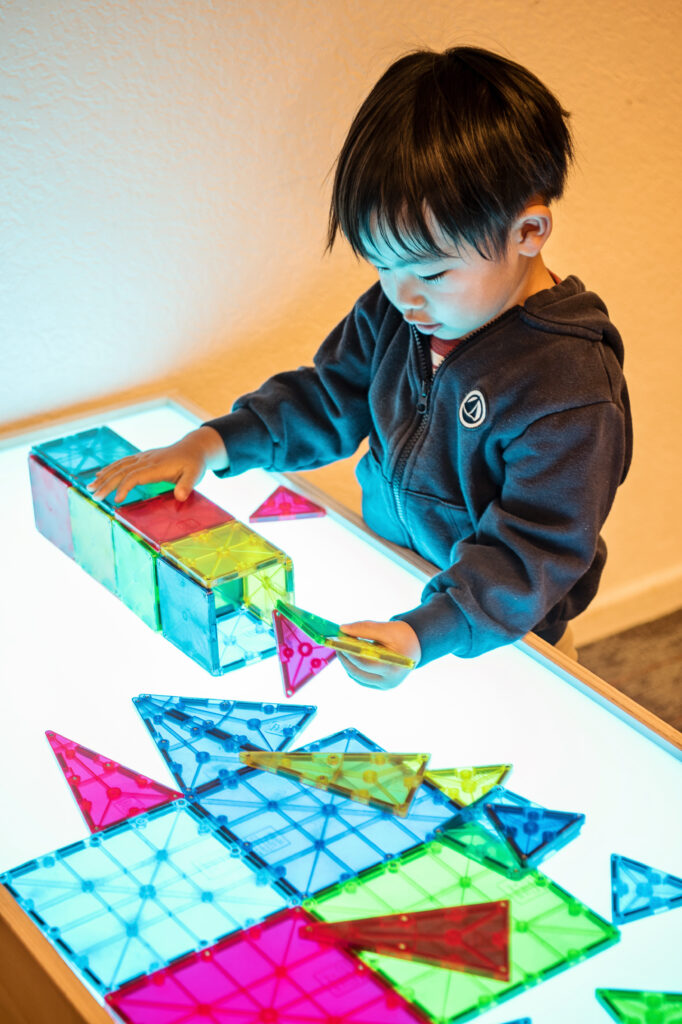
The Impact of Different Curriculums on Children’s Development
Different curriculums have a significant impact on children’s development. They shape how kids comprehend and interact with the world. For instance, a play-based curriculum might foster creativity and social skills, while a more academic-focused one could enhance cognitive development and early literacy skills. Some curriculums, like the Montessori approach, promote independence and self-paced learning, while others, like the Waldorf method, prioritize imaginative play and emotional development. It’s essential to understand that no one curriculum fits all; each child has unique needs and learning styles. Therefore, having a variety of curriculums in preschool is crucial to cater to these diverse needs and help every child thrive.
Case Studies: Success Stories from Different Curriculums in Preschools
Case studies reveal that different curriculums in preschools can lead to remarkable success stories. For instance, the Montessori approach, which promotes self-directed activity and hands-on learning, has helped children develop a love for learning and foster independence at an early age. Similarly, the Reggio Emilia approach, with its emphasis on self-expression, communication, and community, has nurtured creativity and social skills among preschoolers. These success stories demonstrate how diverse curriculums cater to different learning styles and needs, thereby highlighting the importance of providing a variety of teaching methodologies in preschool education.
Conclusion: Choosing the Right Curriculum for Your Child’s Needs
In conclusion, choosing the right curriculum for your child’s needs is crucial for their early development. It’s important to understand that every child is unique and they learn at their own pace. Therefore, a one-size-fits-all approach may not work for all children. Look for a curriculum that encourages your child’s natural curiosity, promotes active learning, and helps them develop their social and emotional skills. It’s also beneficial if the curriculum is flexible and can be tailored to your child’s individual needs and interests. Remember, the goal is to foster a love for learning that will last a lifetime.