

What is pre-school education?
Pre-school education is an essential foundation for a child’s overall development and future success. It is an educational program specifically designed for children between the ages of 3 and 5, focusing on their cognitive, social, emotional, and physical growth. Pre-school education provides a structured environment that promotes learning through play, exploration, and hands-on activities. It offers a range of activities, including storytelling, art, music, and games, which help children develop their language, creativity, problem-solving skills, and social interactions. Research has shown that children who attend pre-school have better school readiness, higher academic achievements, and improved social skills compared to those who do not. By engaging in pre-school education, children acquire the necessary skills and knowledge that serve as a strong foundation for their future educational journey.
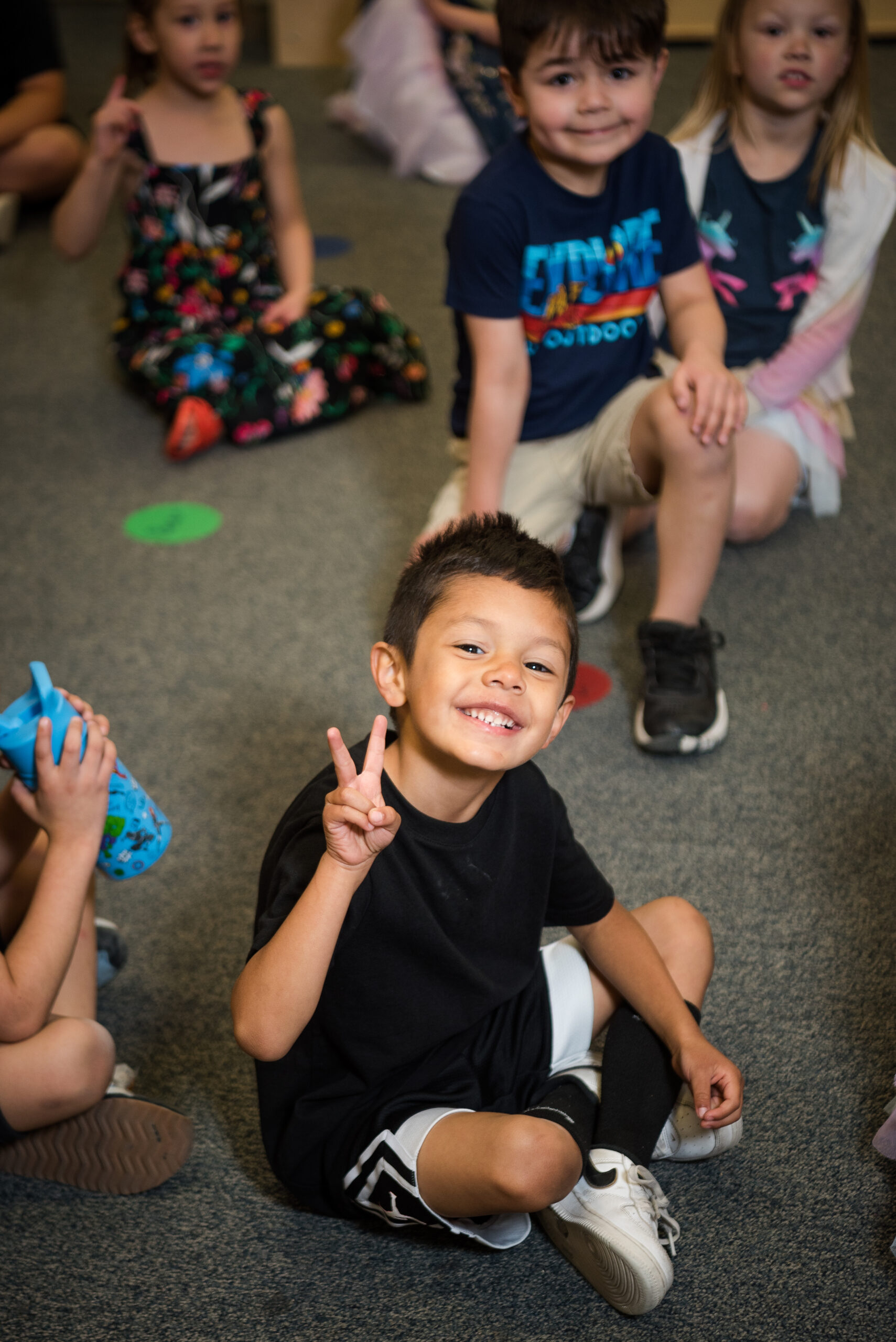
The benefits of pre-school education
Pre-school education plays a vital role in a child’s development, laying the foundation for future academic success. It offers a wide range of benefits that go beyond basic learning. Pre-school provides a stimulating environment where children can develop social and emotional skills, enhance their cognitive abilities, and foster a love for learning. Research has shown that children who attend pre-school are more likely to excel academically and have better social skills compared to those who do not. Additionally, pre-school helps children develop essential life skills such as problem-solving, critical thinking, and communication, setting them up for a lifetime of success.
The impact of pre-school education on cognitive development
Pre-school education plays a significant role in shaping a child’s cognitive development. Research has shown that early childhood education programs have a lasting impact on a child’s ability to think, reason, and solve problems. Through engaging activities and interactive learning experiences, pre-school education stimulates brain development and enhances cognitive skills such as memory, attention, and language acquisition. Furthermore, the social interactions and structured environment provided by pre-school settings contribute to the development of important social and emotional skills, fostering independence, empathy, and self-regulation. Investing in quality pre-school education not only prepares children for future academic success but also lays a strong foundation for their lifelong learning and overall well-being.
Social and emotional development in pre-school education
Social and emotional development is a fundamental aspect of pre-school education that often goes overlooked. While academic skills are important, it is equally crucial to focus on a child’s social and emotional growth during these early years. Pre-school provides a unique environment for children to learn and practice important social skills such as sharing, taking turns, and resolving conflicts. Additionally, it allows them to develop and regulate their emotions, build self-confidence, and form healthy relationships with peers and adults. Research has shown that children who receive a strong foundation in social and emotional development during pre-school are more likely to succeed academically and have better mental health outcomes later in life. Therefore, investing in pre-school education that prioritizes social and emotional development is not only beneficial for the child’s immediate well-being but also sets them up for long-term success.
Preparing children for kindergarten and beyond
Preparing children for kindergarten and beyond is one of the primary goals of pre-school education. It lays the foundation for their future academic success and overall development. Pre-school not only focuses on teaching basic skills like counting, letter recognition, and social interactions but also fosters a love for learning and curiosity. It provides a structured and stimulating environment where children can explore, experiment, and develop important cognitive, emotional, and social skills. Research has shown that children who attend pre-school are more likely to excel academically and have better social and emotional well-being throughout their lives. By investing in pre-school education, we are giving our children the best possible start in their educational journey and setting them up for a lifetime of success.
The role of pre-school teachers and curriculum
Pre-school teachers and curriculum play a vital role in shaping a child’s early education. These dedicated professionals are not just caregivers, but also facilitators of learning. They create a nurturing environment that fosters social, emotional, and cognitive development. The curriculum is carefully designed to promote age-appropriate skills and knowledge, such as language acquisition, numeracy, and problem-solving abilities. By engaging children in a variety of activities, such as storytelling, arts and crafts, and group play, pre-school teachers stimulate their curiosity and creativity. This early exposure to structured learning sets a strong foundation for future academic success and instills a love for learning that can last a lifetime.
How to choose the right pre-school for your child
Choosing the right pre-school for your child is a decision that can greatly impact their early years of education and development. It’s important to consider factors such as the school’s teaching philosophy, curriculum, and the qualifications of the teachers. Look for a pre-school that provides a balance between structured learning and play-based activities, as this will help foster your child’s cognitive, social, and emotional growth. Additionally, visiting the pre-school and observing the classroom environment can give you valuable insights into the school’s atmosphere and how well it aligns with your child’s needs. By taking the time to research and visit different pre-schools, you can ensure that you are making an informed decision and setting your child up for a successful educational journey.
The cost of pre-school education
The cost of pre-school education is a topic that often raises concerns for parents, but its value cannot be overstated. Research has consistently shown that high-quality pre-school education has a significant positive impact on a child’s development and future success. It provides a strong foundation for academic, social, and emotional skills, setting children up for a lifetime of learning. While the cost may seem daunting, it is important to consider the long-term benefits and the potential for a higher return on investment. Pre-school education offers a unique opportunity for children to learn and grow in a structured and nurturing environment, fostering their curiosity, creativity, and critical thinking abilities from an early age.
Parent involvement in pre-school education
Parent involvement in pre-school education plays a vital role in a child’s development and academic success. Research shows that when parents actively engage in their child’s pre-school experience, it leads to better cognitive and social-emotional outcomes. By participating in activities, attending parent-teacher conferences, and communicating with educators, parents can gain valuable insights into their child’s progress and provide support at home. Additionally, parent involvement fosters a strong home-school connection, creating a collaborative environment where educators and parents work together to create a positive learning experience for the child. Investing time and effort in pre-school education sets a strong foundation for a child’s future educational journey.
Conclusion: The lifelong benefits of pre-school education
Pre-school education provides lifelong benefits that extend far beyond the early years. Numerous studies have shown that children who attend pre-school are more likely to succeed academically, socially, and emotionally. The structured environment and engaging activities in pre-school help develop essential cognitive and social skills, such as problem-solving, communication, and cooperation. Additionally, pre-school fosters a love for learning and lays a strong foundation for future educational endeavors. The positive effects of pre-school education can be seen throughout a person’s life, leading to higher graduation rates, better job prospects, and improved overall well-being. Investing in pre-school education is not only beneficial for individual children but also for society as a whole, as it contributes to the development of a well-educated and productive workforce.