
What is emotional intelligence and why is it important for preschoolers?
Emotional intelligence refers to the ability to recognize, understand, and manage emotions. It is valuable for preschoolers as it helps them develop social skills, empathy, and self-awareness. By nurturing emotional intelligence, educational preschools support whole child learning by laying the foundation for healthy relationships, effective communication, and positive emotional development. This leads to better social interactions, problem-solving abilities, and overall well-being for the child as they grow.
The role of educational preschools in nurturing emotional intelligence
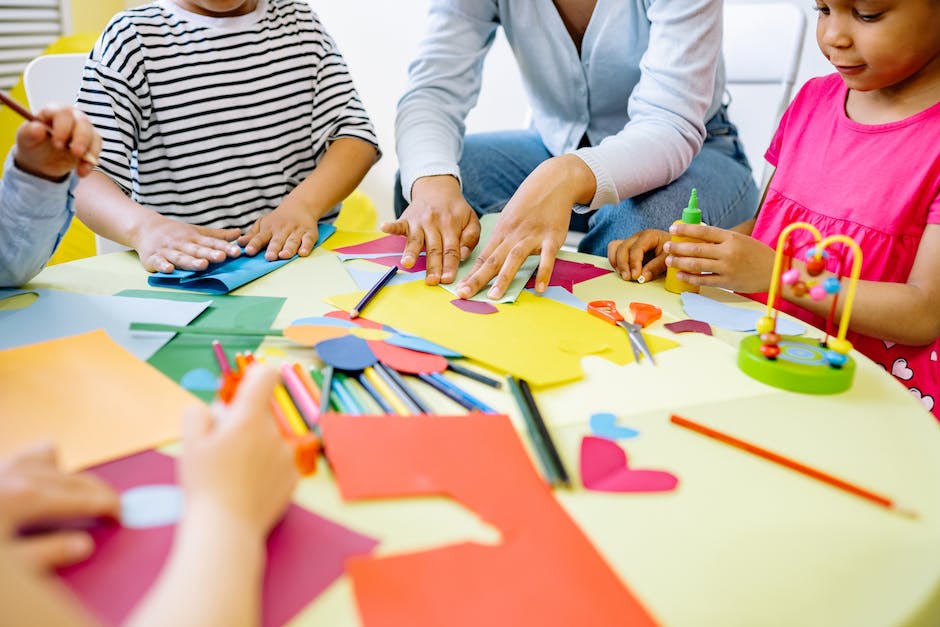
Educational preschools play a crucial role in nurturing emotional intelligence in young children. Through activities and interactions, preschools help children recognize and understand their emotions. They teach them how to express their feelings, empathize with others, and build healthy relationships. These essential skills lay a strong foundation for their emotional intelligence, setting them up for success in their future academic and social endeavors.
Whole child learning approach in educational preschools
Educational preschools focus on whole child learning, which means they consider the child’s social, emotional, cognitive, and physical development. This approach recognizes that children are unique individuals with different needs and strengths, and it aims to support their overall growth and well-being. In educational preschools, teachers create environments that encourage creativity, problem-solving, and collaboration, helping children develop essential life skills and emotional intelligence. This holistic approach helps children thrive and prepares them for success in school and in life.
Strategies and activities for developing emotional intelligence in preschoolers
Preschools use various activities to enhance emotional intelligence in children. Storytelling, puppet shows, and role-playing help children understand and manage their emotions. Activities like “emotions charades” and “feelings flashcards” help children recognize and express their emotions. Preschools also encourage discussions about feelings and teach coping strategies like taking deep breaths or using calming techniques. These activities help children develop self-awareness, empathy, and emotional regulation skills.
Creating a supportive and inclusive environment in educational preschools
Educational preschools play a crucial role in fostering emotional intelligence by providing a supportive and inclusive environment for children to learn and grow. In such settings, educators prioritize the emotional well-being of each child, creating an atmosphere where every student feels valued and included. By nurturing emotional intelligence, educational preschools help children develop vital skills such as empathy, self-awareness, and effective communication. This approach supports whole child learning, laying a strong foundation for their future success.
Incorporating social and emotional skill building into the curriculum
Educational preschools incorporate social and emotional skill building into their curriculum to support whole child learning. This includes teaching children how to identify and manage their emotions, understand and empathize with others, and communicate effectively. By integrating these skills into daily activities and lessons, preschools help children develop a strong foundation for emotional intelligence, which is vital for their overall well-being and future success.
The impact of emotional intelligence on academic performance and behavior
Emotional intelligence plays a crucial role in a child’s academic performance and behavior. Studies have shown that children with high emotional intelligence are better equipped to handle stress, manage their emotions, and establish positive relationships with peers and teachers. This, in turn, can lead to improved academic performance and behavior in the classroom. Research also suggests that children who receive support for emotional intelligence in educational preschools are more likely to develop essential skills for social and emotional success later in life.
Working collaboratively with parents to reinforce emotional intelligence at home
Working collaboratively with parents to reinforce emotional intelligence at home
Educational preschools aim to work closely with parents to nurture emotional intelligence in children. By partnering with parents, the school can reinforce the principles and practices of emotional intelligence at home. Regular communication can help parents understand the strategies and activities implemented at school, allowing them to support and continue the development of emotional intelligence outside of the classroom. This collaborative effort creates a consistent and reinforcing environment for the child’s emotional growth.
Training and support for educators in promoting emotional intelligence
Educators can enhance children’s emotional intelligence by receiving specialized training and ongoing support. This can involve workshops, resources, and mentoring, allowing them to develop the skills needed to promote emotional awareness and empathy in young learners. By equipping educators with the tools to nurture emotional intelligence, educational preschools can create a supportive environment that fosters whole child learning.
Benefits of nurturing emotional intelligence in educational preschools
Educational preschools play a vital role in nurturing emotional intelligence in children. By incorporating emotional intelligence into the curriculum, children learn to understand and manage their emotions effectively. This leads to improved social interactions, empathy, and conflict resolution skills. Additionally, fostering emotional intelligence at an early age sets a strong foundation for holistic child development, promoting resilience and positive mental well-being.