
Introduction to Summer Program Preschools
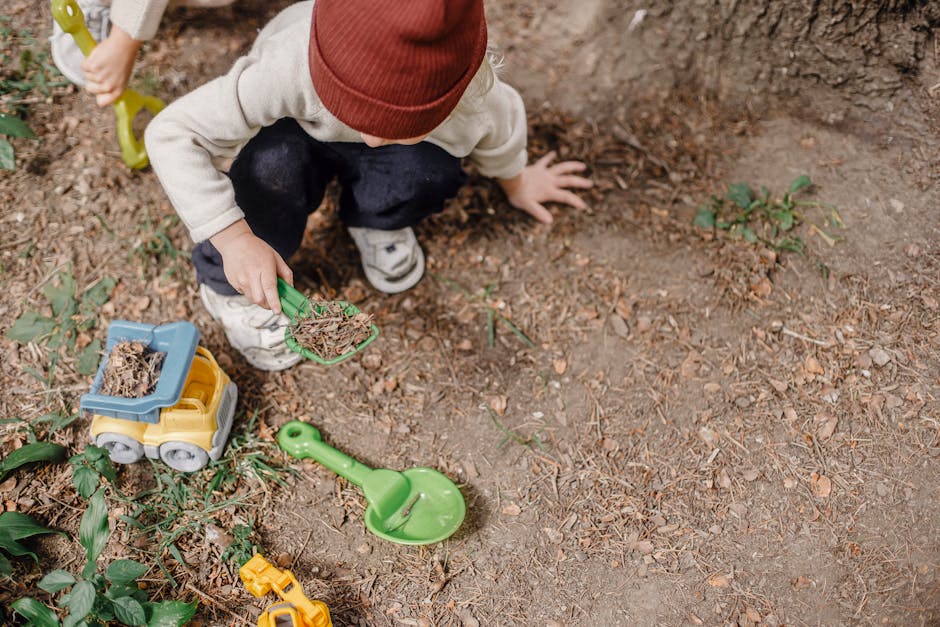
Summer program preschools are designed to provide young children with an enriching and educational experience during the summer months. These programs offer a variety of activities and learning opportunities that promote early childhood development in a fun and engaging environment. Through play-based learning, children can develop important skills such as social interaction, language development, and fine and gross motor skills. Additionally, summer program preschools often have a focus on outdoor activities, allowing children to explore nature and engage in physical play, which can contribute to their overall well-being and growth.

Socialization and Communication Skills Development
During summer program preschools, children can develop socialization and communication skills through various activities and interactions. Children have the opportunity to engage with their peers in group settings, such as collaborative play and teamwork exercises. This nurtures their ability to communicate, express themselves, and understand others. Furthermore, participation in age-appropriate group activities fosters the development of social skills like sharing, taking turns, and empathy. Interacting with different children also helps them learn to adapt and cooperate in various social situations.
Cognitive Development and Learning Opportunities
Summer program preschools provide numerous opportunities for cognitive development and learning. These programs offer a variety of activities that promote problem-solving skills, creativity, and critical thinking. Children have the chance to engage in hands-on learning experiences, such as science experiments and art projects, which help to enhance their cognitive abilities. Additionally, the structured environment of summer program preschools exposes children to early literacy and numeracy skills, laying a strong foundation for future academic success.
Physical Activities and Motor Skills Development
Physical activities in summer program preschools are crucial for your child’s motor skills development. These activities, such as running, jumping, and climbing, help children improve their balance, coordination, and strength. Engaging in these activities also enhances their fine motor skills, such as hand-eye coordination and dexterity. Furthermore, physical play fosters cognitive development and boosts children’s confidence and self-esteem. It’s essential for parents to consider the inclusion of physical activities in summer program preschools for their child’s overall development.
Creative Expression and Artistic Development
Children in summer program preschools have the opportunity to enhance their creative expression and develop their artistic skills. Through activities like drawing, painting, and sculpting, young children can express their thoughts and emotions in a visual form. This process helps children develop fine motor skills, hand-eye coordination, and visual-spatial awareness. Additionally, creative expression fosters imagination, self-expression, and confidence, which are all essential for early childhood development.
Emotional Development and Social-emotional Skills
Preschool summer programs can greatly benefit children’s emotional development and social-emotional skills. These programs provide a supportive environment for kids to interact with peers and adults, helping them develop positive relationships and learn how to manage their emotions. Through structured activities and play, children can develop empathy, cooperation, and problem-solving skills. Additionally, the diverse social interactions in these programs help children gain confidence and build communication skills. These experiences can have a lasting impact on their emotional well-being and social competence.
Preparation for School and Academic Readiness
Summer program preschools are designed to prepare young children for school and academic readiness. Such programs focus on developing essential skills such as early literacy, numeracy, and social skills, which are crucial for a smooth transition into formal schooling. Through engaging activities and interactive learning experiences, children can enhance their cognitive abilities and develop a strong foundation for future academic success. Preschool summer programs also provide opportunities for children to become familiar with a structured learning environment, helping them adapt to the school setting more easily. By participating in these programs, children can improve their attention span and concentration, as well as build positive learning attitudes, setting the stage for a successful academic journey.
Enrichment and Exposure to New Experiences
Enrolling your child in a summer program preschool can provide them with enrichment and exposure to new experiences. These programs offer activities and opportunities that may not be available during the regular school year, allowing children to explore and learn in different ways. Summer program preschools can introduce children to nature, arts and crafts, sports, and other educational activities outside of the traditional classroom setting. This exposure can help children develop new skills, interests, and a broader understanding of the world around them.
Parent Involvement and Community Engagement
Parent involvement and community engagement are crucial components of a summer program preschool for early childhood development. Here’s why:
1. Building Strong Relationships: Parents and caregivers working together with the preschool and the local community can create a strong support network for the child’s development.
2. Shared Learning Experiences: When parents are involved, they can share their child’s learning experiences, reinforcing the skills and knowledge gained during the program.
3. Community Resources: Through engagement with the local community, children can benefit from additional resources and experiences that contribute to their overall development.
4. Sense of Belonging: Involvement in community activities and events can help children feel connected to their surroundings, fostering a sense of belonging and security.
5. Positive Role Modeling: When parents and the community are involved, children witness positive role modeling, leading to an increased understanding of the value of cooperation and collaboration.
Conclusion: the Overall Impact of Summer Program Preschools
When looking at the overall impact of summer program preschools, it’s clear that they offer numerous benefits for early childhood development. Some of the key advantages include improved socialization skills, enhanced cognitive development, increased physical activity, exposure to new experiences, and preparation for the structured school environment. These aspects collectively contribute to the holistic development of children, setting a strong foundation for their future academic and social success.