
The importance of creativity in early childhood development
Creativity plays a vital role in early childhood development, and incorporating the arts into pre-school education can greatly enhance this aspect. Engaging in creative activities such as painting, drawing, dancing, and singing allows children to express themselves, explore their imaginations, and develop problem-solving skills. Through these activities, children learn to think outside the box, develop a sense of self-confidence, and express their emotions in a healthy and constructive way. Furthermore, the arts provide a platform for children to develop fine motor skills, hand-eye coordination, and spatial awareness. By encouraging creativity in pre-school education, we are fostering a love for learning and setting a strong foundation for future academic and personal success.
How arts education supports creativity
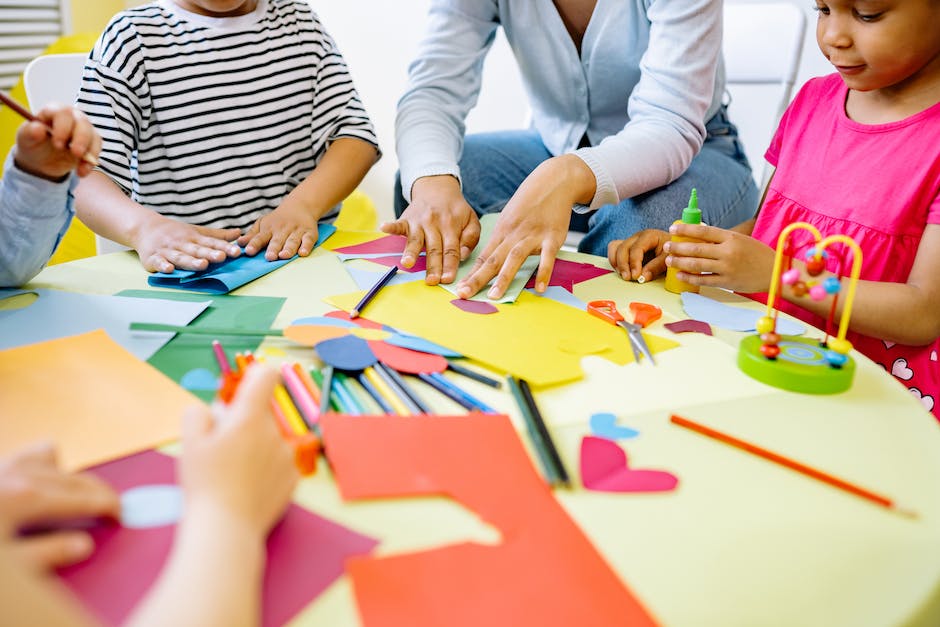
Arts education plays a vital role in fostering creativity in pre-school children. Engaging in artistic activities such as drawing, painting, and music allows young minds to explore their imagination and express themselves freely. By encouraging creativity, arts education not only enhances cognitive skills but also promotes problem-solving abilities and critical thinking. Moreover, it provides a platform for children to develop self-confidence, as they learn to trust their ideas and take risks in their artistic endeavors. The arts create a nurturing environment that encourages children to think outside the box and embrace their unique perspectives, ultimately preparing them for a lifetime of innovation and self-expression.
Benefits of incorporating arts in pre-school curriculum
Incorporating arts in pre-school curriculum offers a multitude of benefits for young children’s development. Engaging in artistic activities such as drawing, painting, and music stimulates the imagination and fosters creativity. These activities also enhance fine motor skills and hand-eye coordination, as children manipulate various art materials. Additionally, participating in the arts encourages self-expression and boosts self-confidence. Research has shown that exposure to the arts at a young age can have a positive impact on cognitive abilities, social skills, and emotional well-being. By integrating arts into pre-school education, we provide children with a platform for exploration, self-discovery, and holistic growth.
Ways to encourage creativity through arts in pre-school
Arts play a vital role in pre-school education by fostering creativity and imagination in young children. There are various ways to encourage creativity through arts in pre-school. By providing a wide range of art materials such as paints, clay, and colored pencils, children can explore different mediums and express their ideas freely. Additionally, incorporating open-ended art projects allows children to make choices and think critically, further developing their creative thinking skills. Furthermore, introducing famous artists and their works can inspire children and spark their curiosity, encouraging them to create their own unique masterpieces. Through these creative experiences, children not only develop their artistic abilities but also enhance their problem-solving, communication, and social skills, setting a strong foundation for their future academic and personal success.
Exploring different art forms for pre-schoolers
Exploring different art forms is an integral part of pre-school education as it encourages creativity and enhances cognitive development in young children. While most people may think of painting and drawing as the primary art forms for pre-schoolers, there are numerous other options to consider. Sculpting with clay or Play-Doh helps improve fine motor skills and spatial awareness, while collage-making fosters imagination and problem-solving abilities. Introducing children to music and dance not only promotes physical coordination but also nurtures their emotional expression. By providing a wide range of art experiences, we can inspire young minds to explore their creativity and develop a lifelong love for the arts.
Creating a stimulating environment for artistic exploration
Creating a stimulating environment for artistic exploration is vital in encouraging creativity in preschool education. By providing a variety of art materials and resources, such as paints, clay, and collage materials, children are given the opportunity to freely express themselves and explore their imagination. Additionally, incorporating open-ended art activities, where there are no right or wrong answers, allows children to develop problem-solving skills and think outside the box. This type of environment fosters a love for the arts and helps children develop important cognitive, emotional, and social skills that will benefit them throughout their lives.
The role of teachers in fostering creativity through arts
Teachers play a crucial role in fostering creativity through arts in pre-school education. By providing a nurturing and supportive environment, teachers can encourage children to explore their imaginations and express themselves through various art forms. Whether it’s painting, drawing, or music, engaging with the arts allows children to develop their cognitive, emotional, and social skills. Teachers can guide and inspire children by introducing them to different art techniques, materials, and styles, helping them discover their own unique creative abilities. Through art, children learn problem-solving, critical thinking, and communication skills, all of which are essential for their overall development. By embracing the role of facilitators and providing opportunities for artistic expression, teachers can truly empower children to become confident and innovative individuals.
Overcoming challenges in implementing arts education in pre-schools
Implementing arts education in pre-schools can be challenging, but it is essential for fostering creativity and holistic development in young children. One of the main challenges is the misconception that arts education is merely a form of entertainment, rather than a valuable learning tool. However, research has shown that incorporating arts into pre-school curriculum can enhance cognitive skills, promote emotional expression, and improve social interaction. By providing a supportive environment, trained educators can overcome these challenges and create a space where children can freely explore their creativity through music, dance, visual arts, and drama.
Involving parents in supporting creativity at home
Involving parents in supporting creativity at home is a key aspect of pre-school education. By encouraging parents to engage in creative activities with their children, we can foster a lifelong love of the arts. Parents can provide a nurturing environment where children feel free to explore their imagination and express themselves through art. This involvement not only strengthens the bond between parent and child but also enhances cognitive development and problem-solving skills. By actively participating in their child’s creative journey, parents can play a vital role in shaping their child’s artistic abilities and fostering a lifelong appreciation for the arts.
Conclusion: The lasting impact of arts education in pre-school
Arts education in pre-school has a profound and lasting impact on children’s development. Research has shown that engaging in creative activities at a young age stimulates cognitive, emotional, and social growth. By encouraging creativity through arts education, children are able to express themselves, think critically, and problem-solve. Additionally, arts education fosters imagination and self-confidence, providing a solid foundation for future learning. Incorporating the arts into pre-school education not only enhances academic performance but also nurtures essential life skills that will benefit children throughout their lives.